Less screen time. More living.
I spend a lot of time thinking about how people feel in their homes. Not just whether a room looks beautiful, but what happens when you walk through the door after a long day. Do you immediately relax? Or does your home feel like one more place where you're expected to be productive and available? We have smart thermostats, smart speakers, smart lighting, and refrigerators that can apparently tell us when we're out of milk. Our homes have never been more connected.
But are we?
I have a slightly different idea: Maybe it's time to make homes dumb again. Not literally, of course. I appreciate a well-programmed thermostat, too. But I think we've reached a point where we need to be more intentional about creating spaces that encourage us to disconnect from technology and reconnect with ourselves and the people around us.
Your Home Shouldn't Feel Like an Extension of Your Office
Here in Seattle, many of my clients work in tech or other demanding professions. Their days are filled with screens, meetings, notifications, decisions… The last thing they need is a home that demands more of their attention.
I believe our homes should offer a counterpoint to our increasingly digital lives. A place where we can slow down, have a conversation without checking our phones, pick up a book, listen to music, or simply do nothing for a while.
And good interior design can help make that happen. Because our environment shapes our behaviors and our well being.

What Is an Analog Space?
An analog space is an area of your home designed around experiences that don't require a screen. Think of a comfortable reading chair next to a window. A dining table that invites long conversations. A listening corner with a record player and a collection of favorite albums. A living room where the television isn't automatically the center of attention.
It doesn't have to be an entire room. Sometimes a small corner is enough. The important part is that the space makes you want to spend time there.
Five Ways to Bring More Analog Living Into Your Home
1. Stop Making the Television the Main Event
I'm not suggesting you get rid of your television. But does every living room really need to be arranged around one? Consider furniture layouts that encourage conversation instead. Two chairs facing a sofa, a coffee table that accommodates a board game, or a seating arrangement where people can actually look at each other.
Sometimes simply reconsidering the layout changes how a room gets used.
2. Create a Place to Read, Listen, or Just Sit
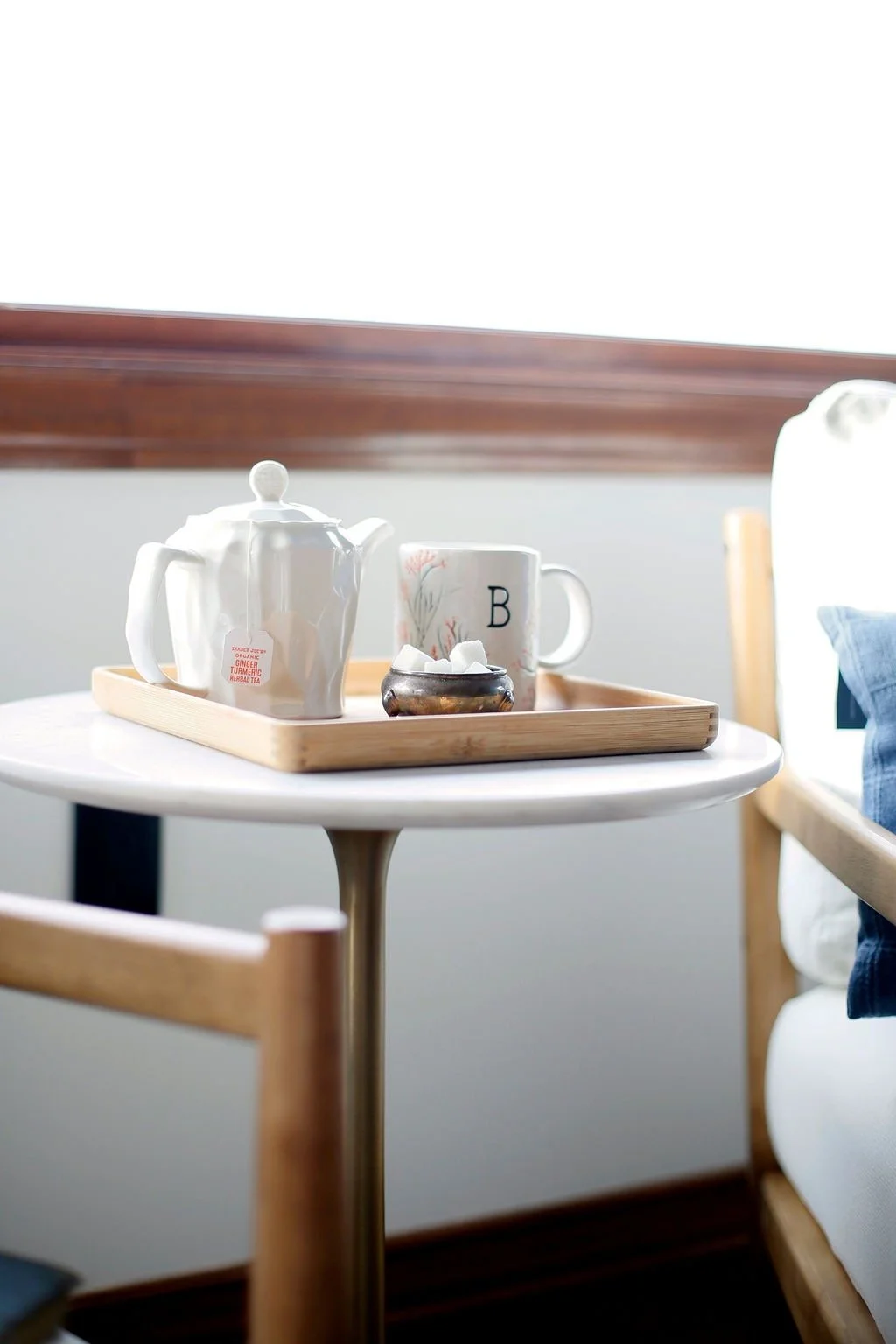
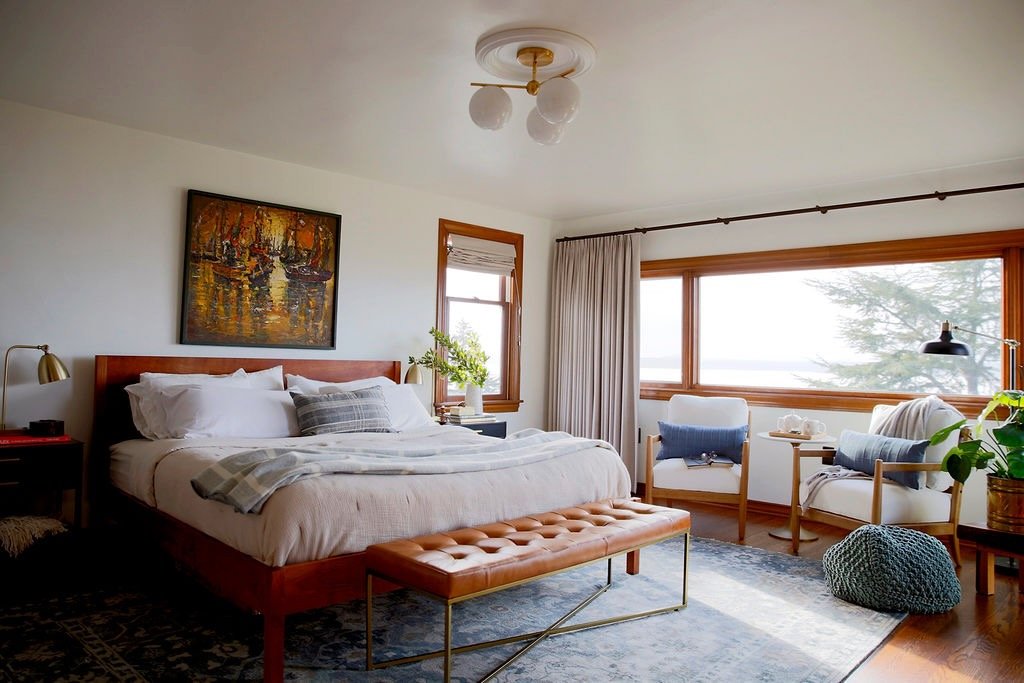
Not every corner needs a purpose tied to productivity. One of my favorite things to create is a small retreat within a larger room. A comfortable chair, good reading light, a place to set down a cup of tea, perhaps a few books. No charger required!
For families, this might mean a reading nook where children naturally gravitate toward books instead of devices. For someone who spends the day in back-to-back meetings, it might be a quiet place to decompress.
3. Bring Back Things You Can Touch
We spend so much of our time interacting with smooth glass screens that I think we've forgotten how satisfying tactile experiences can be. A beautifully worn wooden table. Linen upholstery. Handmade pottery. A wool rug. A stack of real books. These materials add character, but they also make a home feel more grounded and personal.
This is one reason I love incorporating vintage and antique pieces into contemporary interiors. They bring texture, history, and a little imperfection into spaces that might otherwise feel too polished.
4. Make Room for Real-Life Activities
Think about what you and your family actually enjoy doing together. Maybe it's playing cards, working on a puzzle, listening to music, painting, or cooking.
Then ask yourself: Does your home make those activities easy and inviting? A game table tucked into a living room, a piano that becomes part of the everyday space, or a dining area with comfortable seating can encourage people to linger.
You don't need a dedicated hobby room. You just need to make room for the things you want more of in your life.
5. Design for Calm, Not Just Appearance
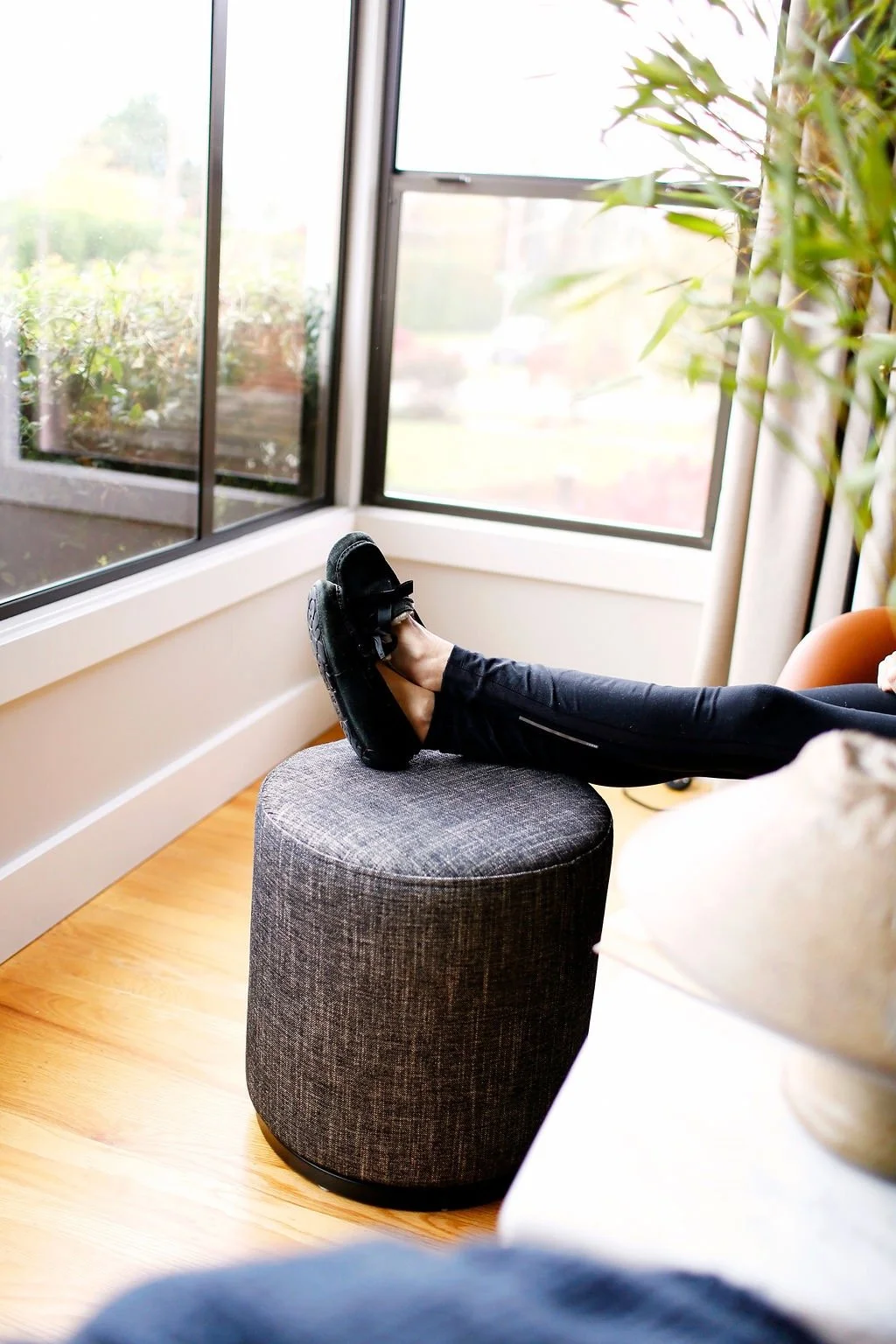
This is where my training and certification through Science in Design comes into play. Neuroaesthetics explores how our brains respond to our surroundings, while biophilic design considers our connection to nature. Both inform how I approach interior design.
Natural light, comfortable furniture, thoughtful layouts, organic materials, and a connection to the outdoors can influence how we experience a room.
That doesn't mean every home needs to be minimalist or painted beige. Far from it. I love color, interesting artwork, and spaces with personality. The goal isn't to remove stimulation. It's to create an environment that feels right for the people living there.
You Don't Need to Get Rid of Technology
To be clear, I'm not anti-technology. Technology makes many aspects of our lives easier, and there's nothing wrong with enjoying a movie night. What I question is whether we've allowed screens to dictate too much of how we arrange and experience our homes.
An analog home isn't a home without technology. It's a home where technology doesn't always take center stage. It's about creating opportunities for the experiences we sometimes forget to make time for.
A Home Worth Logging Off For
Many of the homeowners I work with in Seattle have lived in their houses for years. They've built successful careers, raised families, and created busy lives, but somehow their homes have never quite caught up.
Rooms remain unfinished. Furniture arrangements don't work. There are spaces nobody uses. Often, it's not because they lack ideas. They simply haven't had the time or energy to figure it all out. That's where thoughtful interior design makes a difference.
At Leonhard & Fritz Interiors, we help busy Seattle professionals and families create warm, personal homes that support the way they want to live. We consider not just how a space looks, but how it feels and how people interact within it. And we manage the design process so our clients don't have to take on another project themselves.
Because at the end of a long day, your home shouldn't ask more of you.
It should give something back.
Come home. Exhale.
Ready to create a home that feels better to live in? Contact us to start the conversation.
Frequently Asked Questions
What is analog interior design?
Analog interior design creates spaces that encourage activities away from screens, such as reading, listening to music, playing games, and spending time with family. It focuses on comfortable furnishings, tactile materials, and layouts that support real-life connections.
How can I make my living room less focused on the TV?
Start by arranging furniture to encourage conversation rather than directing every seat toward the television. Add comfortable reading chairs, good lighting, books, and places for games or music. Even small layout changes can make a living room more inviting.
Can neuroaesthetic design help create a calmer home?
Neuroaesthetic design considers how elements such as light, color, texture, and spatial arrangement influence our experience of a room. These principles can inform interiors that feel more comfortable, welcoming, and restorative.